Galena’s Living History Alliance
Galena’s Living History Alliance is a local non-profit organization focusing on the history of Galena honoring it by researching the history of our participating homes, placing plaques identifying the date of construction, name and occupation of the original owner and telling the stories of the first owners.
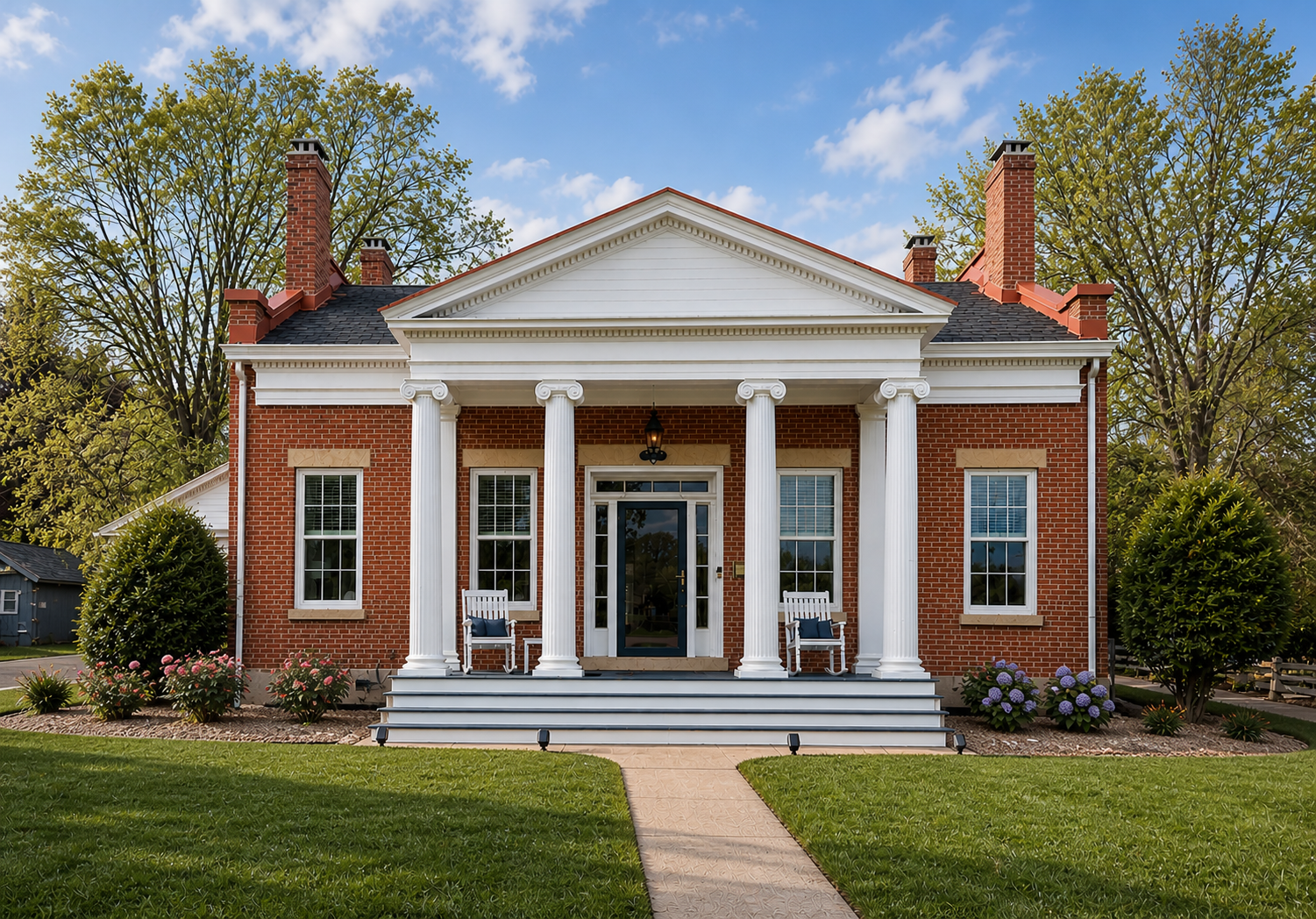
Showcasing Galena’s historic homes
Architectural style
Over 200 homes in the GLHA plaque program showcase many exquisite architectural styles. From Italianate to Gothic Revival, Victorian, Federal and more these homes offer a glimpse into the past that cannot be experienced anywhere else.
Notable residents
Discover the many influential figures who once called our plaqued homes their own. Miners, generals, farmers and shopkeepers all called Galena home and shaped it into what it has become today.
Living history
Experience the past come to life as you explore each home’s unique story and the role of its owners in Galena’s history. Today we honor and recognize those pioneers with the beautiful plaques on their homes.
Plaque Program
Historic House Plaque Program
The Galena Living History Alliance (GLHA) is dedicated to preserving and celebrating the architectural heritage of Galena and Jo Daviess County. Our primary initiative, the Historic House Plaque Program, increases public awareness and appreciation of the area’s historic homes and buildings.
Is my home eligible for a historic plaque?
Any home built before 1930 is eligible for inclusion in the program. Over 200 buildings are currently in the GLHA plaque program. They range from log cabins, commercial buildings, stunning Italinates, and cozy miners’ cottages to stately Victorians.
A few examples of the architectural styles in the GLHA program.
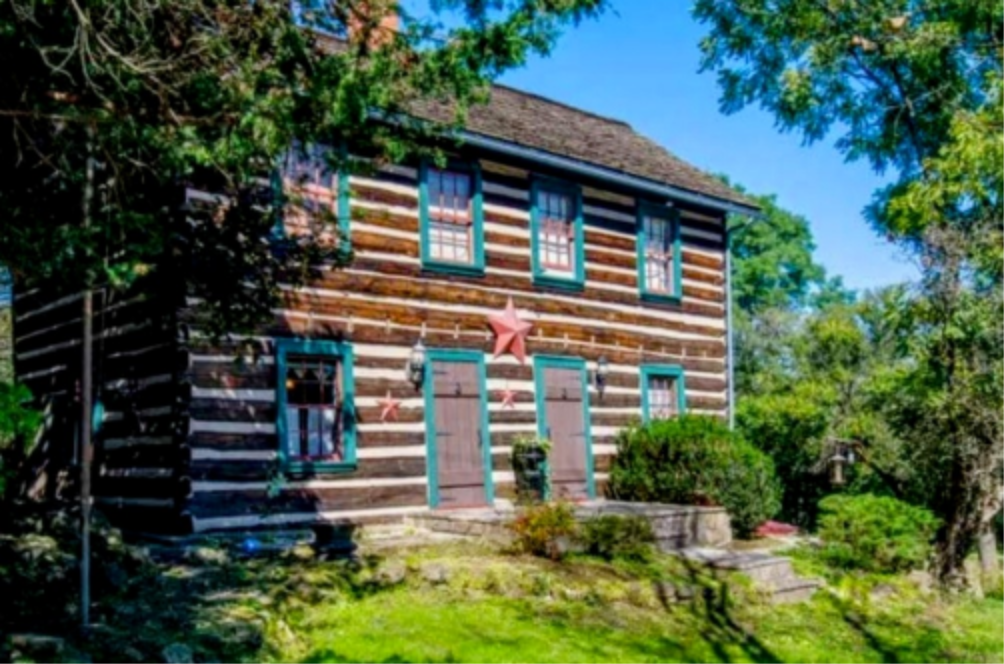
William Reinwald House, 1847, Log cabin home
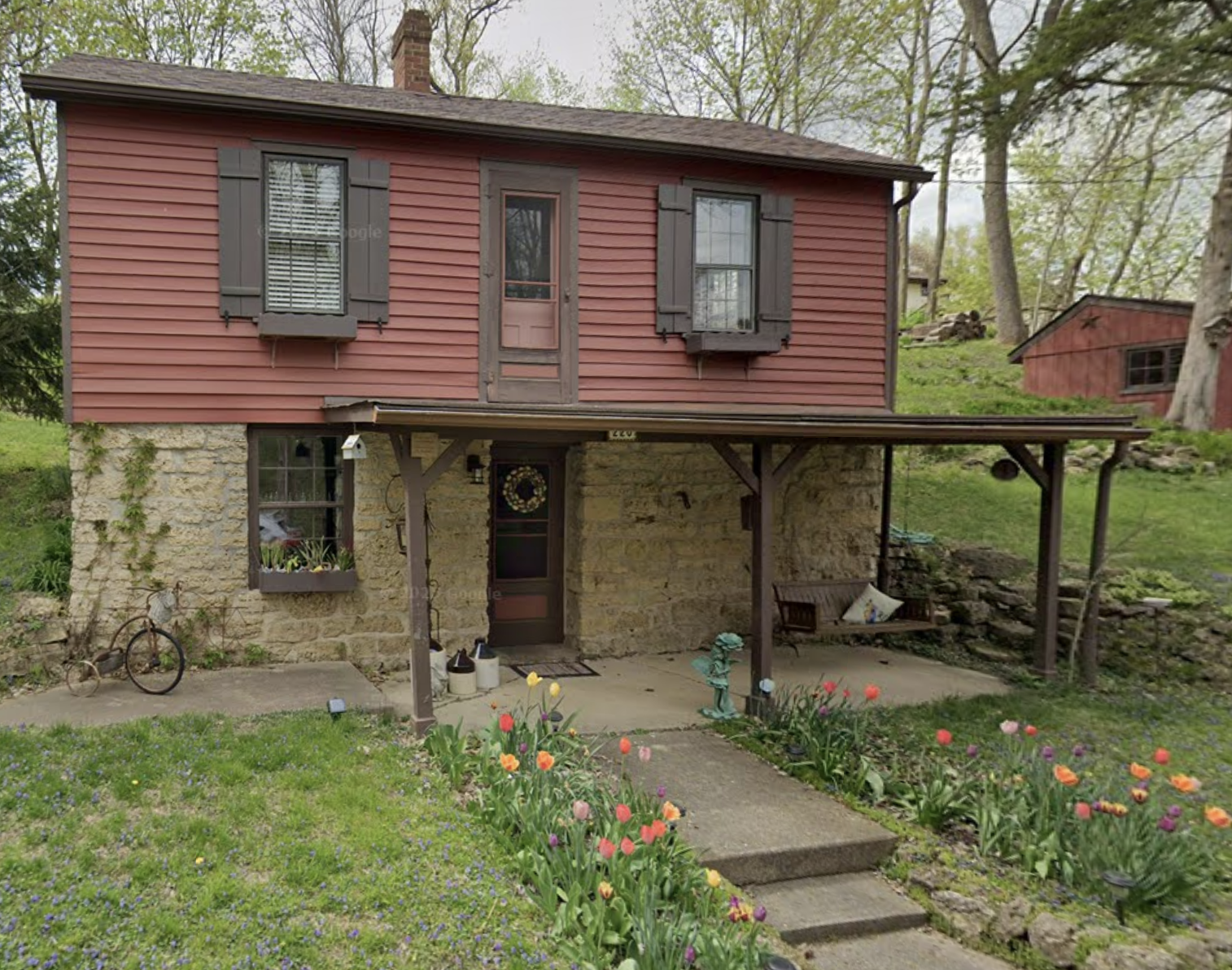
Charles Lowes House, c.1852, Miner’s cottage
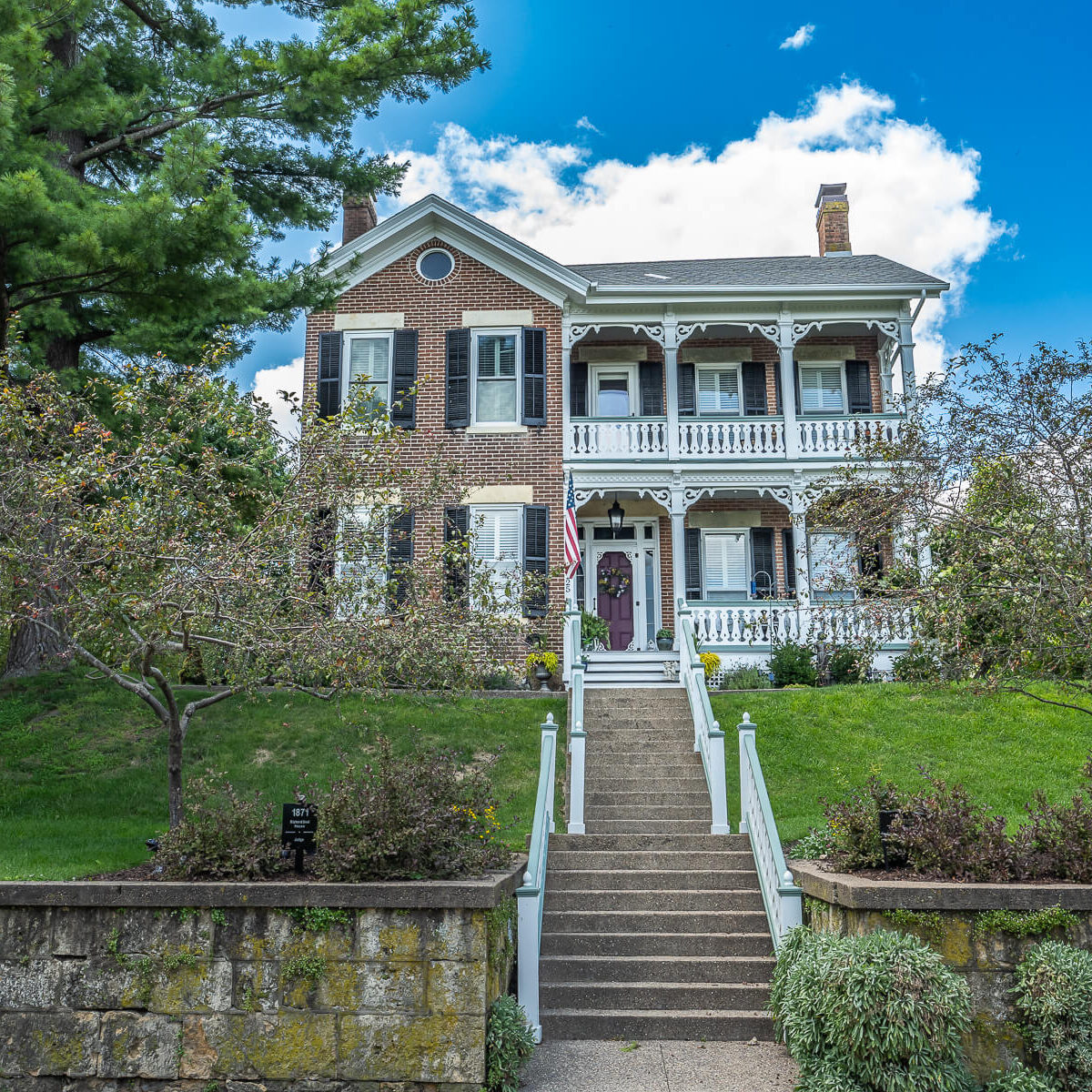
RIchard seal house, 1871, Italianate
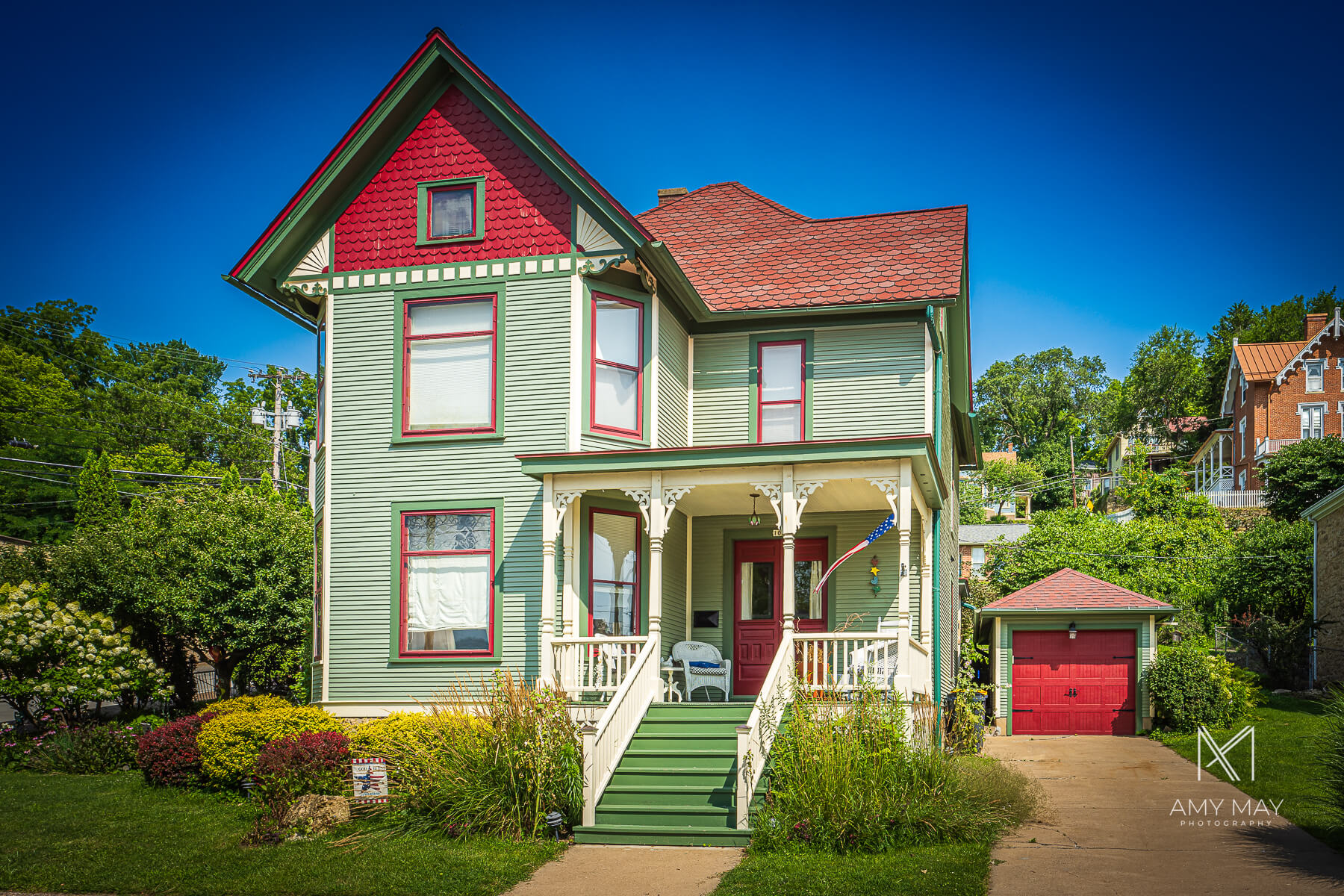
August J. Millhouse House, 1899, Victorian
Latest news from our blog
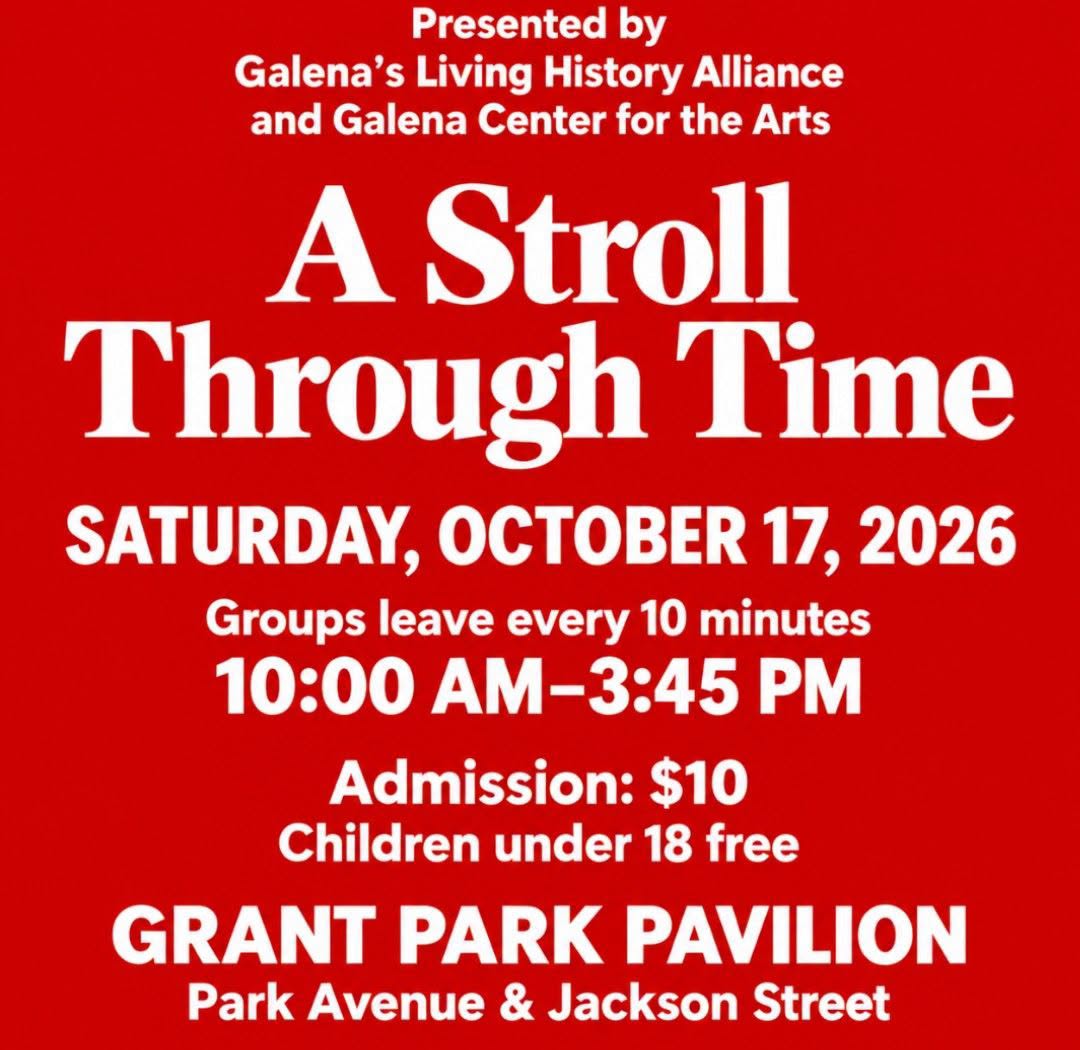
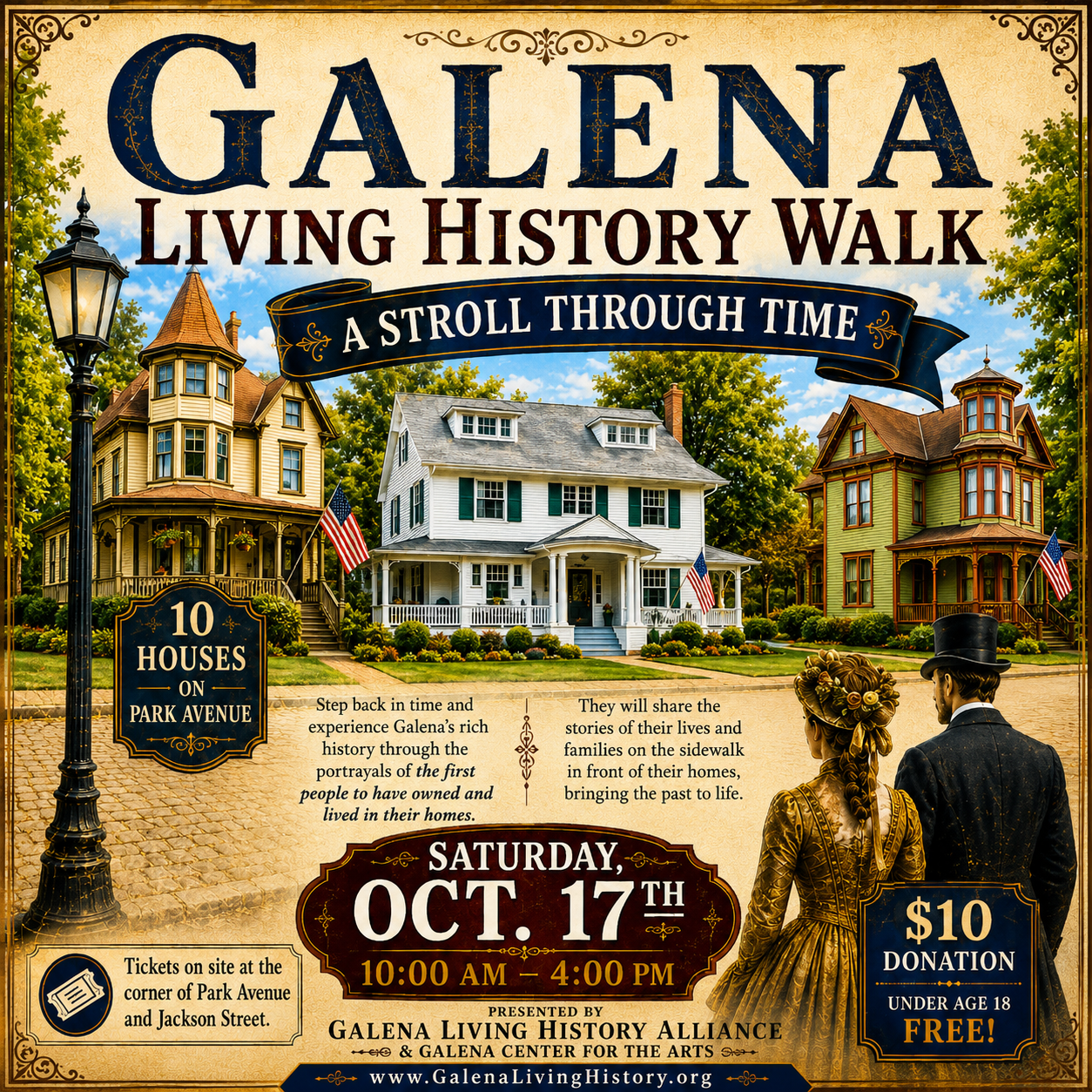
The Living History Walk is nearly here!
The Galena Living History Alliance and the Galena Center for[…]
See our latest Facebook posts.
We update our Facebook page regularly with information about our homes, businesses and churches participating in the GLHA historic plaque program. Scroll down on the posts to see the latest posts.


Galena's Living History Alliance
A window into Galena's historic truth


…. and as promised… Larry Lapp, portraying George Karmann, the man who built the addition on to the front of the Telford-Karmann House.
We are so grateful to you, Larry!

Our eighth stop along our Stroll Through Time brought us to 305 Park Avenue, the Telford–Karmann House.
When a home has undergone a substantial structural change, we recognize both the original owner and the person responsible for that transformation with a hyphenated name.
We were so fortunate to have Jay Dickerson portray Adam Telford, a carpenter, and Larry Lapp portray George Karmann, a merchant. Both gentlemen did a wonderful job bringing these two men and their stories back to life.
Thank you, Jay and Larry for your generosity in giving us your time and talents. It takes some pretty special people to step into the shoes of someone who walked these streets so many years ago, and we couldn't have asked for two better guys to do just that.
We're sharing a little snippet of each of their performances so you can enjoy a bit of Galena's past right along with us.
And don't forget, we'll be strolling through another part of Galena on Saturday, June 26, 2027!


We want to give a special thank you to Kathy Lapp for giving some of our Stroll Through Time guides such beautiful 1800s hairstyles!
She had already volunteered to be one of our tour guides, but knowing what a wonderful hairstylist she is, we asked if she could help pin up our buns so they wouldn't come tumbling down during the stroll.
Well, Kathy being Kathy, she didn't just pin up a few buns… she went to work and concocted some wonderful 1800s hairstyles! And, of course, a whole lot of laughter ensued along the way!
Thank you so much, Kathy, for sharing your talents and going that extra mile! Those beautiful hairstyles made such a difference in bringing our step back in time to life. We are so grateful for you!

Some people step into a role. Beth Baranski stepped right into 1872!
Beth came to our rescue at the last minute to portray Mrs. Sarah Lenhart, wife of Frederic Lenhart, at 203 Park Avenue during our first Stroll Through Time. She did such a fantastic job that by the end of the day, we were pretty sure she really WAS Sarah!
Beth, thank you for saying yes on such short notice and giving us such a wonderful performance. We were so lucky to have you!
Enjoy this little snippet of Beth bringing Sarah to life. We are grateful to every one of our actors who made this day so special, and we can’t wait to do it all again on Saturday, June 26, 2027, on a different street in Galena!
We’re on YouTube
See our latest YouTube videos here for insights into Galena’s history and more from our historians.